About Off grid solar system
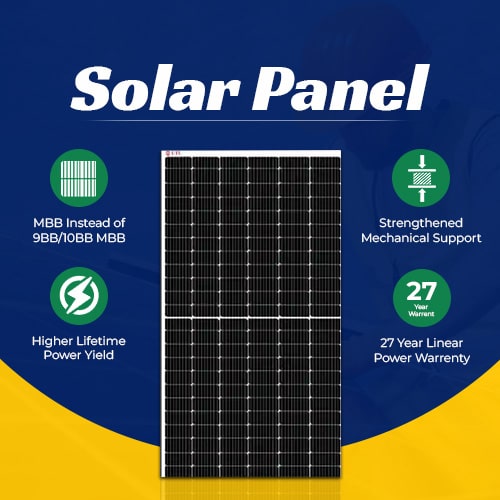
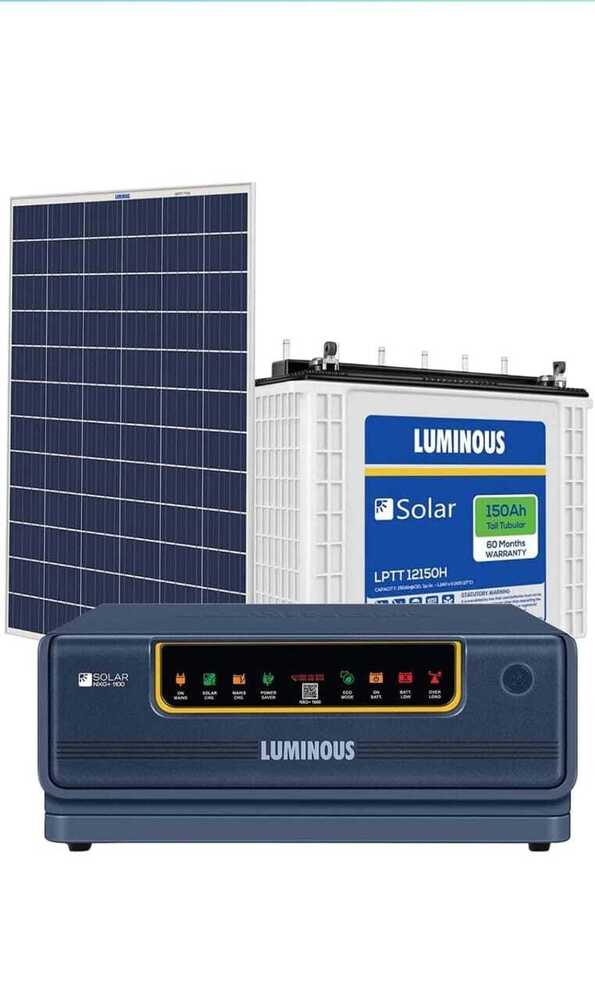
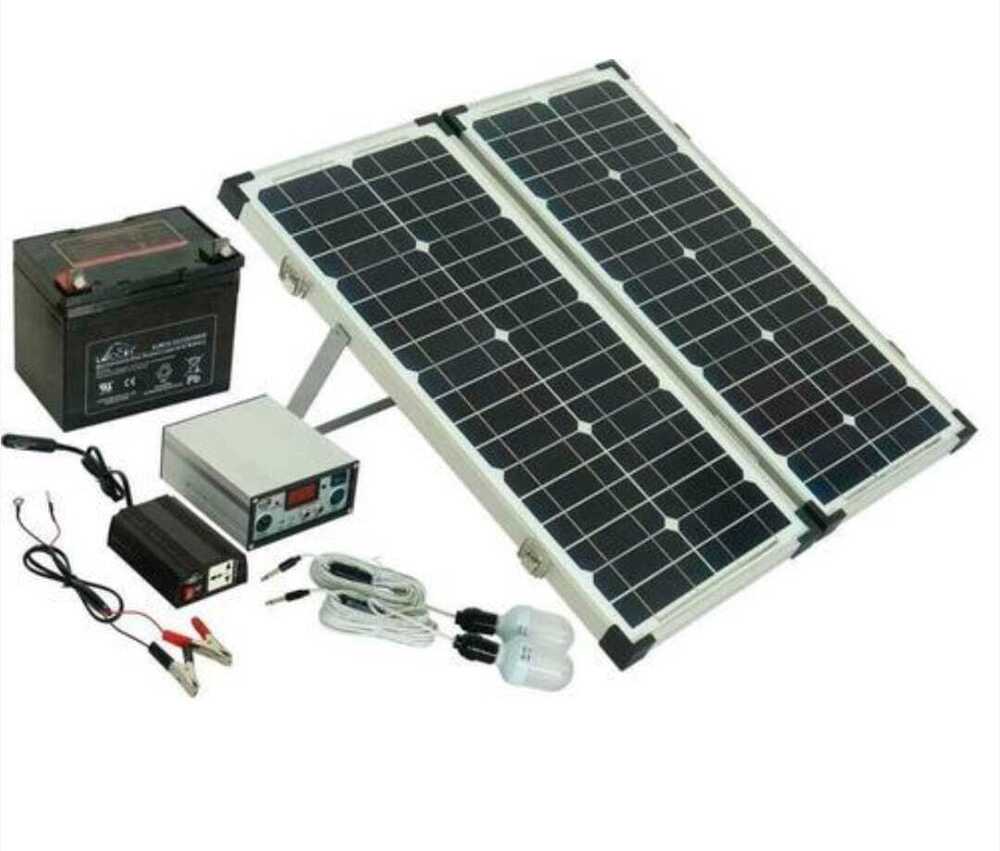
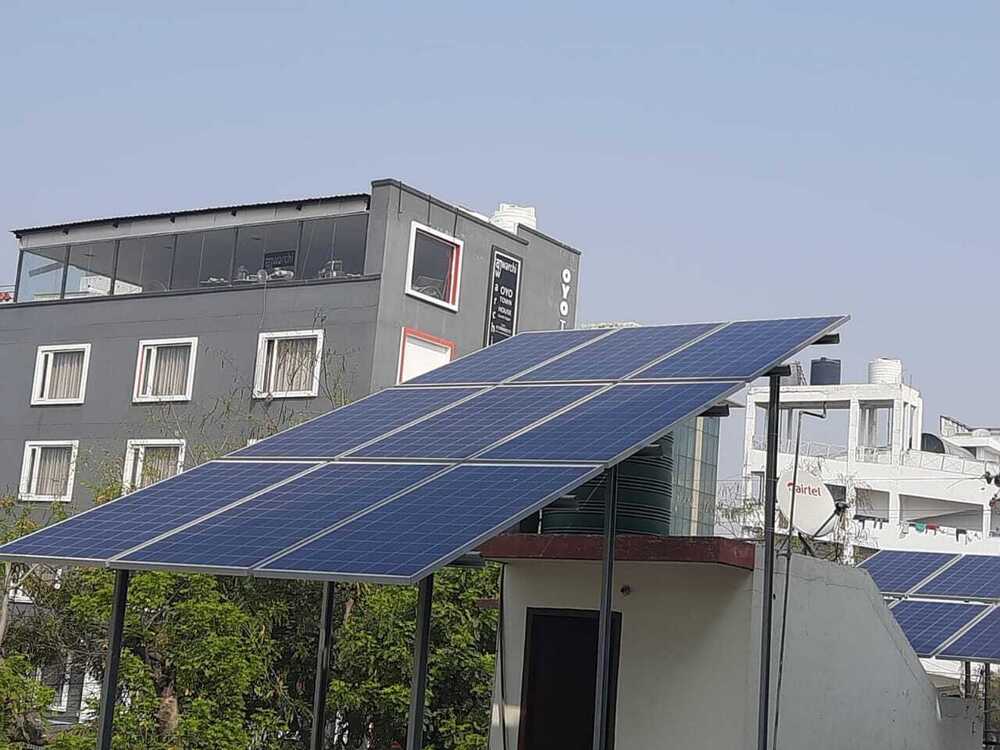
An off-grid solar system operates independently of the utility grid, generating and storing its own power via solar panels and a dedicated battery bank. The primary advantages includeFully Independent Energy AnywhereThis off-grid solar system empowers users to establish complete energy autonomy in locations without grid access. Its modular design and various operating voltage options (12V, 24V, or 48V) make it adaptable for both small and large-scale uses, from homes to commercial ventures.
Engineered for Performance and LongevityConstructed with premium materials and designed with a 25-year warranty, this system is built for extended reliability. Its efficient energy conversion (70-85%) and robust protection features ensure continuous power delivery under diverse environmental conditions.
FAQ's of Off grid solar system:
Q: How does the off-grid solar system provide power without connecting to the public utility grid?
A: The off-grid solar system generates electricity using solar panels, which store energy in a battery bank. An inverter then converts the stored DC power to usable AC electricity for your appliances. The system operates independently, so it is ideal for locations without access to the public utility grid.
Q: What components are necessary for setting up this off-grid solar system?
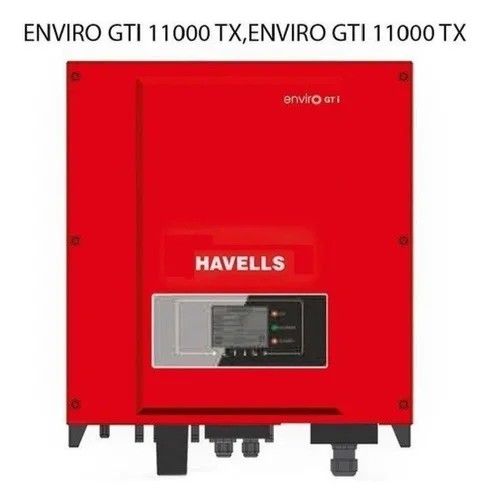
A: The key components include solar panels for energy generation, a battery bank for storage, an inverter to convert DC to AC, and a charge controller to regulate charging and prevent battery overcharge or depletion.
Q: Where can the off-grid solar system be installed?
A: This system is suitable for installation in homes, offices, commercial buildings, and industrial sites-especially in areas where grid connectivity is unavailable or unreliable.
Q: When is it beneficial to use an off-grid solar system instead of an on-grid system?
A: Off-grid solar systems are beneficial when there is no access to a public utility grid or in regions where power outages are frequent. They are also ideal for remote sites, mountain cabins, or backup power applications in commercial and industrial sectors.
Q: What process is involved in maintaining this off-grid solar system?
A: Maintenance involves routine cleaning of solar panels, regular inspection of battery health, checking cable integrity, and ensuring the manual switch and inverter are functioning correctly. Professional servicing is recommended periodically, in accordance with the 25-year warranty terms.
Q: How is the system operated and managed?
A: The system features a manual switch mode for controlling the energy flow and can handle different operating voltages (12V, 24V, or 48V) as required. The cable lengths and overall setup can be tailored to suit the specific installation site.
Q: What are the main benefits of using this off-grid solar system?
A: The primary advantages include energy independence, reliable operation during utility outages, long service life (25-year warranty), and flexibility across a range of environments and applications. It's also environmentally friendly by harnessing renewable solar power.




 Send Inquiry


 Send Inquiry